The high-stakes day — an evidentiary hearing, a custody trial, a deposition — is not the day you do the work. It is the day the work shows. The actual preparation for that day starts the week before. The most important parts of it have nothing to do with the law.
This article is the practical preparation routine that most attorneys want their clients to follow but rarely have time to walk through in detail. It will not replace your lawyer's substantive prep. It will help you arrive at the courthouse in the condition that makes their substantive prep matter.
The week before
Confirm the substantive prep
Schedule a working session with your attorney. Bring your documentation. Walk through the exhibits. Discuss the witness order. Identify the questions you most expect on cross. Identify the topics you most want to cover on direct. If your attorney has not yet prepared you on cross-examination, ask for that session specifically.
Re-read your own filings
The opposing side is going to pick at your prior statements. Re-read every affidavit, declaration, deposition transcript, and written submission you have ever made in this case. Re-read your own text messages and emails to your ex over the past six months. You need to know, cold, what you have already said. Inconsistencies hurt. Familiarity prevents them.
Re-read your ex's filings too
Their affidavits. Their accusations. Their version of events. You need to be desensitized to the worst of what they have said about you, because some of it is going to be repeated in court — and your face when it lands is part of what the judge will be evaluating. Read it now, react to it now, get it out of your system now.
Get your sleep right
Adjust your sleep schedule starting at least four nights before. If you usually go to bed at midnight and need to be sharp at 9am, that is a real problem and a real fix is required. Move bedtime earlier in 30-minute increments. No alcohol the week of. No caffeine after noon.
Fix the practical logistics
What you are wearing. How you are getting there. Where you are parking. What time you are leaving. Who is watching the children. Backup plans for any of these. Resolve all of this by Wednesday. Last-minute logistical scrambling burns the cognitive resources you need for testimony.
The night before
Stop preparing
By the night before, your preparation is what it is. Cramming the night before will not improve your performance. It will exhaust you. Once you finish a brief final review with your attorney, close the case file. Do not re-open it tonight.
Prepare your materials
Have your bag packed by 8pm. Whatever your attorney has asked you to bring — binders, notes, ID, water bottle, snacks. Anything you might need in a courthouse where the cafeteria might be closed and the security line might take 40 minutes. Phone charger. Tissues. Whatever helps.
Eat real food
Protein, vegetables, complex carbs. Not the fancy meal you've been telling yourself you'll cook. Just enough to leave you fed and steady, not stuffed and sluggish.
Wind down deliberately
Whatever genuinely calms your nervous system. A walk. A bath. A reasonable amount of TV that is not about court, divorce, or trauma. A book you can actually focus on. Conversation with one person you trust who will not require you to perform okay-ness.
Aim for sleep early
Lights out at least an hour before you need to fall asleep. If you cannot fall asleep, do not panic. Lie still. Breathe slowly. Even rest without sleep helps. Do not look at your phone in bed.
The morning of
Wake up with a buffer
However long your morning routine takes, double it. You are going to move slowly. You are going to forget things. The buffer is not optional.
Eat breakfast
Even if you don't feel like it. Especially if you don't feel like it. Cortisol will be elevated; food helps stabilize it. Protein, complex carbs, water. Not just coffee.
Move your body
Twenty minutes of walking. Stretching. Whatever moves your body without exhausting you. Anxiety is, in part, unspent physical energy. Burning some of it before you arrive at the courthouse helps significantly.
Arrive early
Plan to be at the courthouse at least 45 minutes before your scheduled time. Security lines, parking, finding the right courtroom — all of this takes longer than you think. Arriving with margin gives your nervous system time to settle into the environment before testimony begins.
Use the bathroom
Yes, this is on the list. You will be sitting in a courtroom for hours. Plan accordingly.
While you are in the courtroom
Sit still
Whether you are testifying or sitting at counsel table, your face and body are part of the case. The judge will watch you. The opposing party will watch you. The opposing attorney will be looking for moments to use against you. The discipline is to sit upright, breathe slowly, take notes when appropriate, and react to nothing visibly.
The pause is your friend
When you are asked a question on the stand, take three seconds before answering. Long enough to register the question. Long enough to register your emotional reaction to it. Long enough to choose your response rather than blurt it. Three seconds feels like an eternity to you. To the judge, it looks thoughtful.
Answer the question that was asked
Not the question you wish had been asked. Not the question you have been preparing to answer. Not your speech about the broader case. The question that was actually asked, in the fewest accurate words. Then stop. Silence is fine. Let the next question come.
Don't fight your attorney's strategy
You are going to want to volunteer information. You are going to want to correct minor mischaracterizations. You are going to want to make sure the judge "really understands." Trust your attorney. They know what is on the record. They know what is coming. Volunteer nothing.
Do not react to the other party's testimony
Your ex is going to lie under oath. They are going to tell the judge things about you that are not true. You are going to want to react. The win is not reacting. The judge sees both of you. The protective parent who absorbs hours of false testimony with composure, while the high-conflict ex cannot maintain composure for fifteen minutes, has just told the judge something important about which parent is which.
After
Whatever happens, the day after a major court appearance you will likely feel terrible. The adrenaline crash is real. Your judgment about how the day went will not be accurate. Wait for your attorney's read. Wait for any actual ruling. Eat. Sleep. Move your body. Talk to one trusted person. Keep the case file closed for 24 hours if you can.
Then, when the dust settles, you go back to the routine: documentation, regulation, integrity, patience. The case is a marathon. Each high-stakes day is one mile of it. Recover deliberately, then keep running.
Want the full playbook?
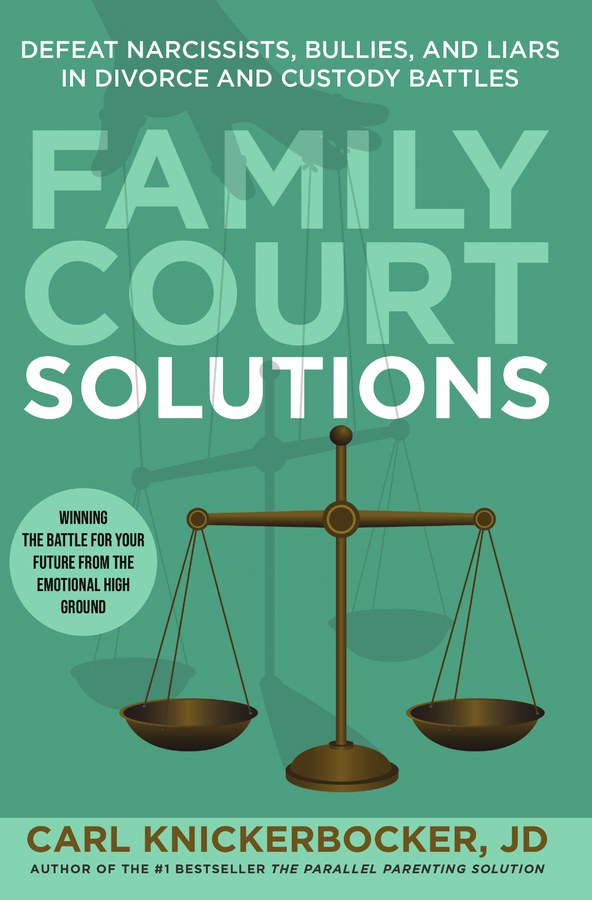
This article is adapted from Family Court Solutions by Carl Knickerbocker, JD — the therapist-recommended, attorney-written guide to defeating narcissists, bullies, and liars in divorce and custody battles.
Get the Book