Mediation is, in most divorces, a sensible step. It saves money. It saves time. It produces outcomes the parties craft themselves rather than outcomes a judge imposes. When mediation works, it works well.
In high-conflict cases, mediation can also be a trap. Used in bad faith by an HCP, it becomes another tool for extracting concessions, dragging out the timeline, and gathering information for later litigation. Knowing when mediation is a tool and when it is a trap — and how to protect yourself in the room — is critical.
When mediation works
Mediation can be productive even in difficult cases when:
- Both parties have shared interest in a resolution and are willing to compromise to get one
- The mediator is experienced with high-conflict dynamics and won't be steamrolled
- The structural setup — separate rooms, attorney participation, deliberate pacing — gives you protection
- The legal context is clear, so neither side can wildly misrepresent their leverage
- Specific limited issues are on the table, not the entire war
When these conditions are met, even in high-conflict cases, mediation can produce real settlements that hold up.
When mediation is a trap
Mediation is being weaponized when:
The other side has no intent to settle
They want the appearance of negotiating without the reality. They use mediation sessions to gather information about your position, your financial vulnerabilities, your settlement priorities. Then they leverage that information in the litigation that follows.
The pressure to settle is structural
The mediator (or your own attorney) is pushing you to "be reasonable" by making concessions you should not be making. Mediators are paid to produce settlements; some will lean on the less aggressive party to reach a deal because that party is the more pliable target. The HCP knows this.
You are negotiating against yourself
You make an offer. The other side rejects it, makes a wildly aggressive counter, and waits. The mediator turns to you for a "compromise." You move halfway. The other side rejects, counters aggressively again, and waits. After several rounds, you have moved significantly toward their position; they have moved nothing toward yours.
The mediation is being used for discovery
Mediation in some jurisdictions has confidentiality protections; in others it does not. Statements made in mediation can sometimes be used later in litigation. Be careful what you reveal, especially about strategy, financial flexibility, or settlement priorities.
The other side is performing for the mediator
They have realized the mediator's perception affects the case. So they perform reasonableness for the mediator while their actual behavior outside the room contradicts the performance. The mediator's eventual report or recommendations may reflect the performed version, not the real one.
Protections to put in place
Bring your attorney
Always. In high-conflict mediation, having your lawyer in the room is the single most important protection. They will catch leverage points you'd miss, will push back on inappropriate pressure from the mediator, and will protect you against your own desire to "just be done." If your jurisdiction or the mediator's practice doesn't include attorneys, reconsider whether mediation is appropriate for your case.
Insist on separate rooms
"Caucus mediation," where the parties are in separate rooms and the mediator shuttles between them, is much safer in high-conflict cases than "shuttle" or joint sessions. You don't have to face them. They can't read your body language. You can talk freely to your attorney.
Choose your mediator carefully
Not all mediators are competent in high-conflict cases. Some default to "split the difference" pressure regardless of the facts. The right mediator for a high-conflict case understands HCP dynamics, won't be played by performed reasonableness, and won't push you to concede because you're more pliable than the other side.
Have a written walkaway position
Before you walk into mediation, you and your attorney should have written down the terms below which you will not settle. This is your anchor. When the pressure builds in the room, you check the written walkaway. If a proposal is below it, you decline. You do not improvise the bottom line in the heat of mediation.
Don't reveal your priorities
Sophisticated negotiators reveal as little as possible about which issues are core for them and which are negotiable. The mediator may ask you to "prioritize." In a high-conflict case, treat priority disclosures very carefully — whatever you signal as a top priority becomes the lever the other side pulls.
Treat statements as preserved
Don't assume confidentiality. Statements you make in mediation may be reportable to the court in some circumstances. Mediators may produce reports describing the process. Statements you make may surface in later collateral interviews. Speak as if everything you say will be on the record somewhere.
Be willing to walk away
The willingness to leave without a deal is your most important leverage. If you walked in thinking "we have to settle today," you walked in already conceding. If you walked in thinking "we will settle if and only if the terms are reasonable," you preserved every option.
Tactical patterns to watch for
The escalating last-minute demand
Late in the day, just as a deal seems close, a new demand appears that wasn't on the table before. The pressure to accept — you've been in the room ten hours, you're exhausted, your attorney's clock is running — is enormous. This is when bad deals get signed. The right move is almost always to pause, sleep on it, and come back. Beware of pressure to sign tonight.
The "package deal"
"If you give us X, we'll give you Y." Sounds reasonable. Often the X they want is significantly more valuable than the Y they're offering. Disaggregate. Evaluate each piece on its own. Then decide whether the trade actually works.
"You can't ask for that, the judge would never order it"
Sometimes true. Often a negotiating tactic. Your attorney's judgment is what you should weigh, not the other side's prediction about what a judge would do.
The emotional appeal
"Think about the kids." "We need to be done with this." "You're being unreasonable." All true sometimes, all manipulative sometimes. Notice when the rhetoric is functioning to pressure you out of a reasonable position rather than into a fair one.
When to walk
Mediation should end without a deal when:
- The terms on the table fall below your written walkaway
- The other side's "movement" is illusory while yours is real
- You're being pressured to decide on terms you have not had time to evaluate
- New information has emerged that needs to be considered outside the room
- You are too exhausted to make a sound decision
- The other side is operating in obvious bad faith
Walking away from a mediation is not failure. It is, in the right cases, the strategically correct move. Some cases need a hearing or a trial to clarify what each side's actual position is. The willingness to insist on that clarification is itself part of how cases get resolved.
When settlement is the right move
None of this is an argument against settlement. In many high-conflict cases, a structured settlement is a better outcome than a contested trial — especially when the settlement contains clear, enforceable, specific terms that don't depend on the other side's good will to operate. Negotiated terms can sometimes give you protections that a court would not order on its own.
The point is not that mediation is bad. The point is that mediation in a high-conflict case is its own discipline, with its own rules. Walk in prepared, with your attorney, with a written walkaway, with realistic expectations — and mediation becomes a useful tool. Walk in unprepared, alone, hoping to "just be done," and mediation becomes a mechanism for losing ground.
Want the full playbook?
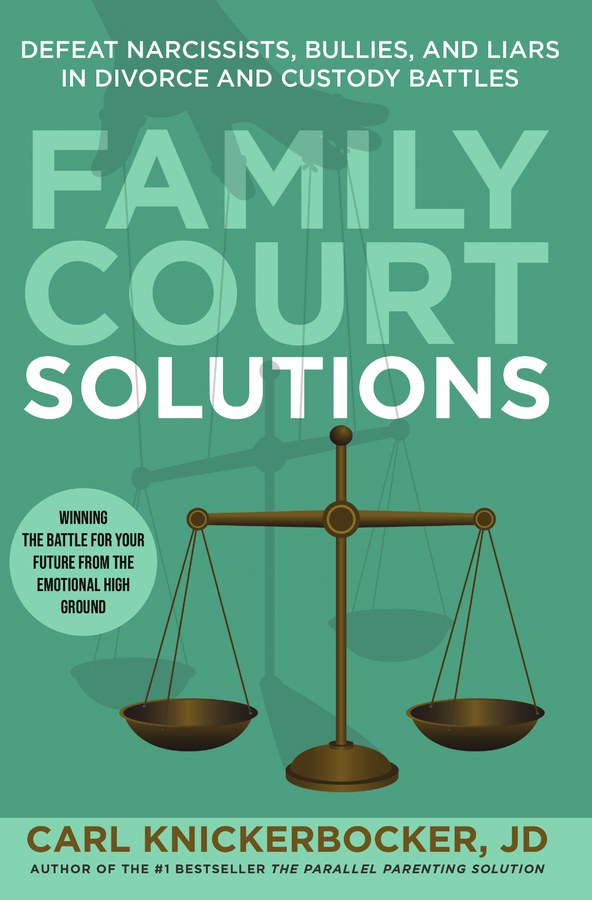
This article is adapted from Family Court Solutions by Carl Knickerbocker, JD — the therapist-recommended, attorney-written guide to defeating narcissists, bullies, and liars in divorce and custody battles.
Get the Book